The Indian startup ecosystem has been experiencing rapid growth and has gained significant attention on both domestic and international fronts. Here are some key aspects of the ecosystem:

The Indian government has launched several initiatives to support startups, such as the “Startup India” campaign. This initiative aimed to provide various benefits, including tax exemptions and easier regulatory compliance, to foster the growth of startups in the country.

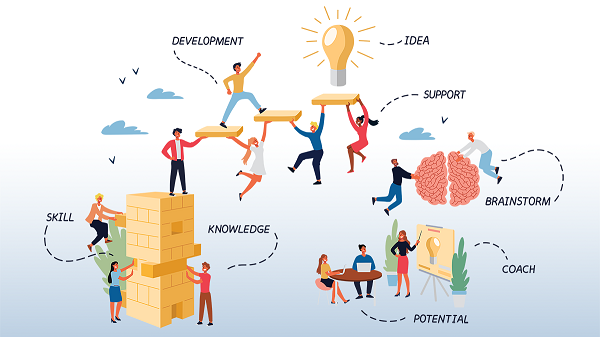
The number of incubators and accelerators in India has increased significantly, providing startups with mentorship, resources, and networking opportunities. Prominent names include T-Hub, Atal India.

The Indian government has launched several initiatives to support startups, such as the “Startup India” campaign. This initiative aimed to provide various benefits, including tax exemptions and easier regulatory compliance, to foster the growth of startups in the country.

India has seen the emergence of several startups valued at over $1 billion, commonly referred to as “unicorns.” These include companies like Flipkart, Ola, Paytm, Zomato, and Byju’s, among others.

The e-commerce sector has witnessed significant growth, with companies like Flipkart and Amazon India leading the way. The rise of online shopping and digital payments has contributed to the sector’s expansion.

The fintech sector has gained prominence, with startups focusing on digital payments, lending, insurance, and wealth management. Paytm, PhonePe, and Razorpay are some notable players in this space.

Startups in the healthcare and medical technology sectors have been addressing various challenges, including telemedicine, diagnostics, and healthtech solutions.

The education technology sector has seen remarkable growth, especially after the COVID-19 pandemic accelerated the adoption of online learning platforms. Byju’s, Unacademy, and Vedantu are some well-known names.

Agricultural technology startups have been leveraging innovations to improve productivity, supply chain management, and farmer livelihoods. Companies like AgroStar and Ninjacart have made strides in this area.

Ride-hailing platforms like Ola and Uber have transformed the way people commute in Indian cities. Additionally, electric vehicle startups have gained traction, aiming to address environmental concerns.

Startups in AI, machine learning, and data analytics have been working on solutions spanning various industries, including healthcare, finance, and marketing.

While the Indian startup ecosystem has grown significantly, it faces challenges such as regulatory complexities, infrastructure limitations, and talent retention. However, efforts are being made to address these challenges.